01
Marine Robotics
Building vehicles that can operate on and under the water: remote-controlled or autonomous boats, ROVs, experimental platforms and propulsion systems.
Active field
Black Anchor is an independent lab dedicated to the ocean.
I design and experiment with marine technology here: surface drones, ROVs, AI, sensors, electronics, 3D printing and autonomous systems. But Black Anchor isn't only about building machines. It's also about getting on the water, diving, fishing, surfing, exploring — and using those experiences to imagine new projects.
Here, ideas leave the workshop to get tested against the real thing.
From the workshop to the ocean, Black Anchor explores several fields that meet in the same projects.
Building vehicles that can operate on and under the water: remote-controlled or autonomous boats, ROVs, experimental platforms and propulsion systems.
Using computer vision and machine learning to understand what our machines see: spotting a shark, recognizing a marine species, tracking an object, or helping a vehicle navigate.
GPS, sonar, pressure, temperature, cameras, communications and embedded electronics. Figuring out how to measure the marine environment — and keep systems alive in water, salt and the field.
3D printing, prototyping, mechanical design and DIY electronics. Build an idea fast, test it, break it if needed, then try again.
Diving, snorkeling, fishing, spearfishing, paddling, surfing and coastal exploration. The field is part of the lab.
Observing wildlife, understanding ecosystems, and looking at how technology can help us better know and protect the marine environment.
Prototypes, field trials and lessons learned — documented as they happen.
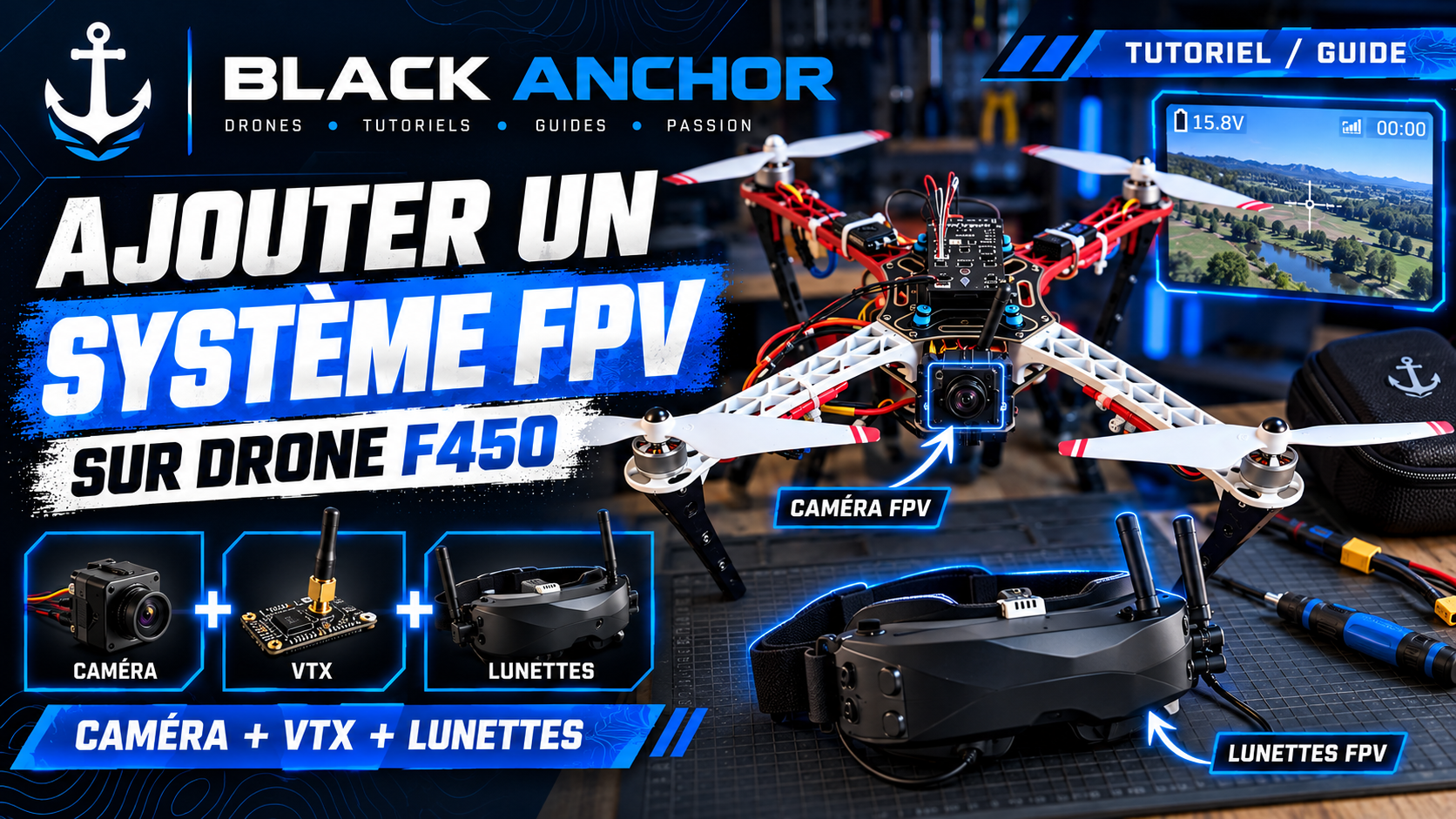
05 OCT 2026
Step-by-step tutorial to install a RunCam FPV camera and a 5.8 GHz VTX on an F450 drone: wiring diagram, soldering, mounting and video test.
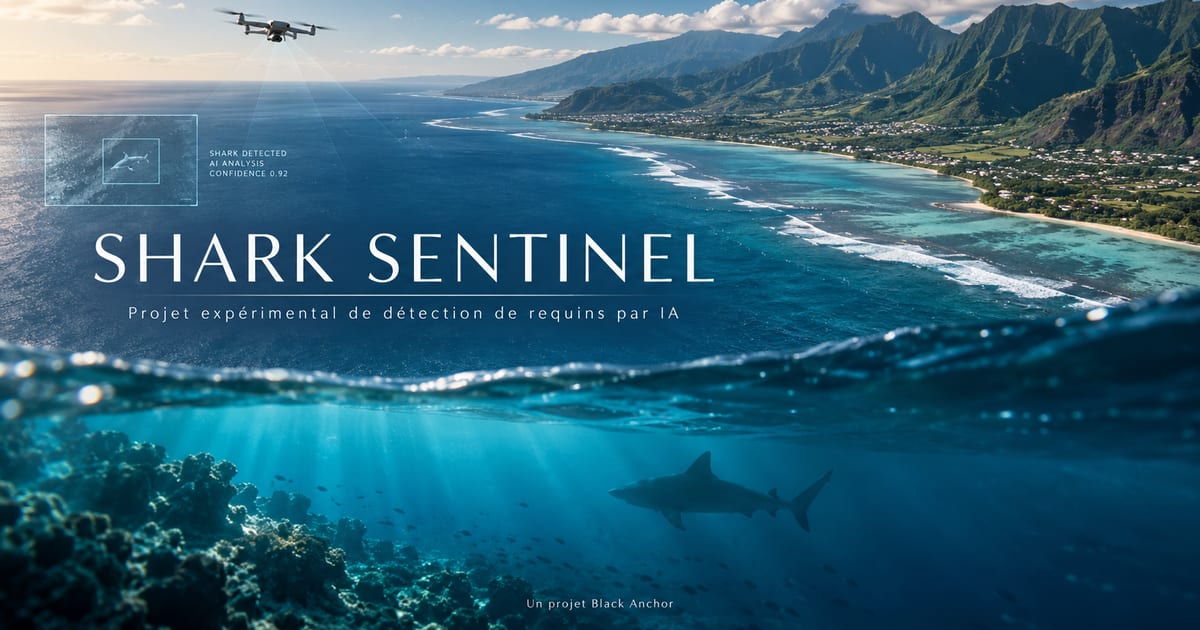
28 SEP 2026
First experiments with Shark Sentinel, an experimental open source project using computer vision (YOLO) to detect sharks, born on Reunion Island.
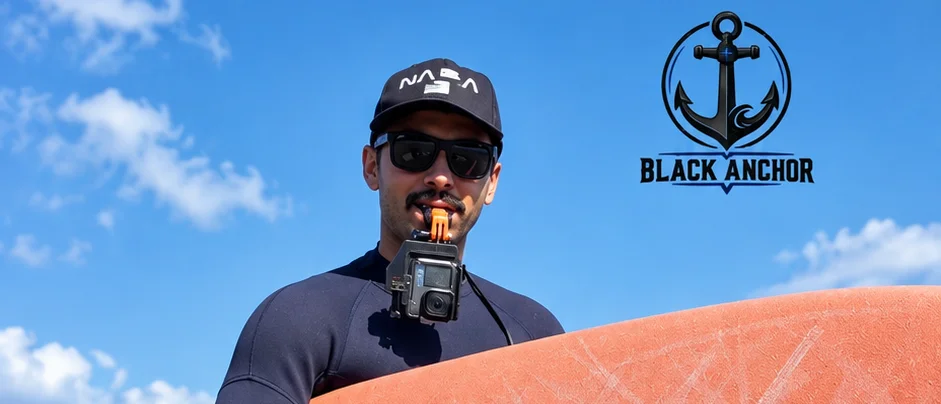
22 SEP 2026
A 3D printed adapter to mount a GoPro vertically on its waterproof case — designed for filming Reels and Shorts straight from the water.
Four rules that shape every project — and what they look like in practice, right now.
An idea doesn't need to become a finished product right away. I start with a sensor, a piece of code, or a simple prototype. Learn, then raise the difficulty step by step.
A system that works on a desk isn't a marine system yet. Water, sun, salt, current and vibration are part of the spec, whether you planned for them or not.
A leak, a bad motor choice, or a model that gets it wrong can teach more than a clean demo. The log is also there to tell what didn't work.
The goal isn't to bolt technology onto everything. Robotics, AI or electronics get used when they genuinely help explore, observe, practice or protect the ocean better.
MARINE VISION
Exploration / R&DRecognizing marine life, even offline.
EXPERIMENTAL USV
Prototype / designBuilding our first surface drone.
EXPERIMENTAL ROV
Exploration / designSeeing what happens below the surface.
> Every project is documented in the Lab_
One dispatch per new logbook entry. New builds, failed attempts, things I learn — straight from the water. No noise.
Unsubscribe anytime · No tracking